
Description
Masteron Steroid Powder – Chemical Properties, Types and Safety
Masteron steroid powder refers to raw forms of Drostanolone or its ester derivatives, which belong to the anabolic-androgenic steroid (AAS) family. Drostanolone is a synthetic derivative of dihydrotestosterone (DHT) and has been studied in pharmaceutical science, medicinal chemistry and endocrinology. Its molecular structure, chemical characteristics and historical medical applications make it a subject of interest in steroid research.
Understanding the chemical composition, pharmaceutical history and safety considerations associated with Masteron steroid powder is important for researchers and healthcare professionals.
What Is Masteron Steroid Powder?
Masteron is a commonly recognized name associated with Drostanolone Propionate. Drostanolone is structurally derived from dihydrotestosterone through chemical modification.
The compound has historically been investigated for its androgenic and anabolic properties. Unlike testosterone, Drostanolone does not undergo aromatization into estrogen. However, this characteristic does not eliminate its potential health risks or hormonal side effects.
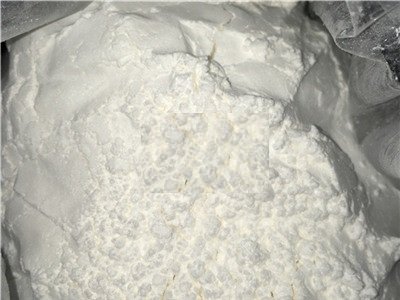
Raw Drostanolone powder may appear white or off-white, although its chemical identity and purity cannot be determined through visual inspection alone.
Chemical Properties of Masteron Steroid Powder
Drostanolone has a steroid-based molecular structure with modifications that distinguish it from naturally occurring androgen hormones. Different ester derivatives possess different molecular formulas and physicochemical characteristics.
| Chemical Property | Description |
|---|---|
| Common Name | Masteron |
| Parent Compound | Drostanolone |
| Chemical Classification | Anabolic-Androgenic Steroid |
| Parent Molecular Formula | C21H34O2 |
| Parent Molecular Weight | 318.49 g/mol |
| Chemical Origin | Dihydrotestosterone Derivative |
| Physical Appearance | Typically white or off-white powder |
| Water Solubility | Poorly soluble |
These molecular values apply to unesterified Drostanolone rather than its ester derivatives.
Different Types of Masteron Steroid Powder
Drostanolone is commonly discussed in two ester forms: Drostanolone Propionate and Drostanolone Enanthate. Their structural differences influence their physicochemical and pharmacokinetic characteristics.
Masteron Propionate
Masteron Propionate, also known as Drostanolone Propionate, is an ester derivative of Drostanolone with a history of pharmaceutical use.
Its molecular formula is C24H38O3, and its molecular weight is approximately 374.56 g/mol. This compound has been studied in steroid chemistry and historical medical literature.
Masteron Enanthate
Masteron Enanthate, also referred to as Drostanolone Enanthate, contains a longer ester chain than the propionate derivative.
Its molecular formula is C28H46O3, with a molecular weight of approximately 430.67 g/mol. The longer ester chain influences its physicochemical properties. Its clinical evidence and regulatory history differ from those of Drostanolone Propionate.
Historical Pharmaceutical Applications
Drostanolone Propionate was historically used in the treatment of certain cases of advanced breast cancer. Its androgenic activity was investigated as part of earlier hormone-based cancer treatment approaches.
Advances in medical research have introduced alternative therapies with different safety and effectiveness profiles. Drostanolone is no longer a standard treatment for breast cancer in modern clinical practice.
Historical pharmaceutical applications should not be interpreted as evidence that nonmedical steroid use is safe or effective.
Quality Control and Chemical Identification
Chemical identification is an essential component of pharmaceutical research. Masteron steroid powder cannot be reliably authenticated through its appearance, texture or colour.
Laboratory analytical methods used in pharmaceutical characterization include:
- High-Performance Liquid Chromatography (HPLC)
- Mass Spectrometry (MS)
- Nuclear Magnetic Resonance (NMR)
- Fourier Transform Infrared Spectroscopy (FTIR)
- Residual solvent analysis
- Impurity profiling
These techniques help qualified laboratories evaluate molecular identity, composition and potential contamination.
A stated purity percentage alone does not establish pharmaceutical suitability, sterility or safety for human administration.
Health Risks and Safety Considerations
Like other anabolic-androgenic steroids, Drostanolone can produce significant adverse health effects, particularly when used without appropriate medical supervision.
Potential risks include hormonal suppression, fertility problems, cardiovascular complications, changes in cholesterol levels, acne, hair loss and psychological effects. Women may experience virilization, including potentially irreversible voice changes.
Raw steroid powders may also contain unidentified impurities or contaminants. They should not be considered equivalent to approved pharmaceutical formulations.
Drostanolone is regulated in many jurisdictions, and its possession, distribution and use may be subject to legal restrictions. It is also prohibited in competitive sports under anti-doping regulations.
Frequently Asked Questions
What is another name for Masteron steroid powder?
Masteron is commonly associated with Drostanolone Propionate, a synthetic anabolic-androgenic steroid derived from dihydrotestosterone.
Is Masteron Propionate the same as Masteron Enanthate?
Both are ester derivatives of Drostanolone, but they have different ester chains, molecular weights and pharmacokinetic characteristics.
Can Masteron powder be identified by its colour?
No. Chemical identity requires appropriate laboratory analysis. Many unrelated substances have a similar white or off-white appearance.
Is Masteron steroid powder safe for human consumption?
Raw steroid powder should not be considered safe for human consumption. Anabolic steroid exposure can cause serious health complications.
Conclusion
Masteron steroid powder is associated with Drostanolone chemistry and historical pharmaceutical research. Understanding its molecular structure, ester derivatives, analytical identification and health risks provides a scientific perspective on this compound. Accurate chemical information, regulatory compliance and appropriate medical supervision remain essential considerations.
Reviews
There are no reviews yet.